

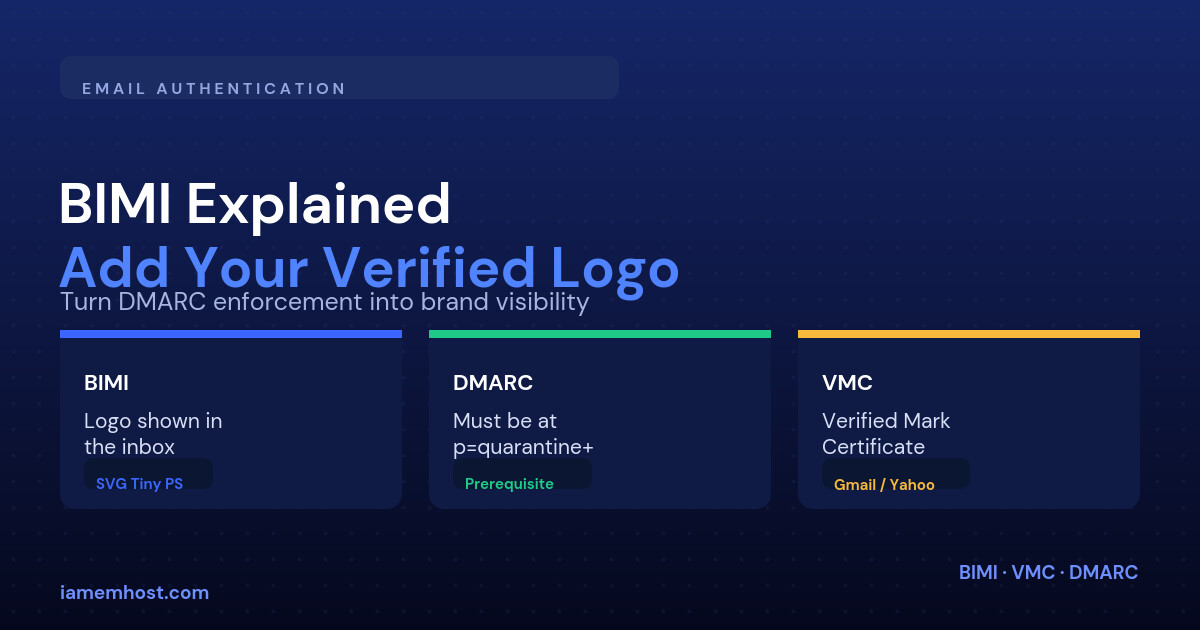
BIMI Explained: How to Get Your Logo Verified in Gmail and Yahoo Inboxes
Brand Indicators for Message Identification (BIMI) puts your logo next to your emails in the inbox — right where ...

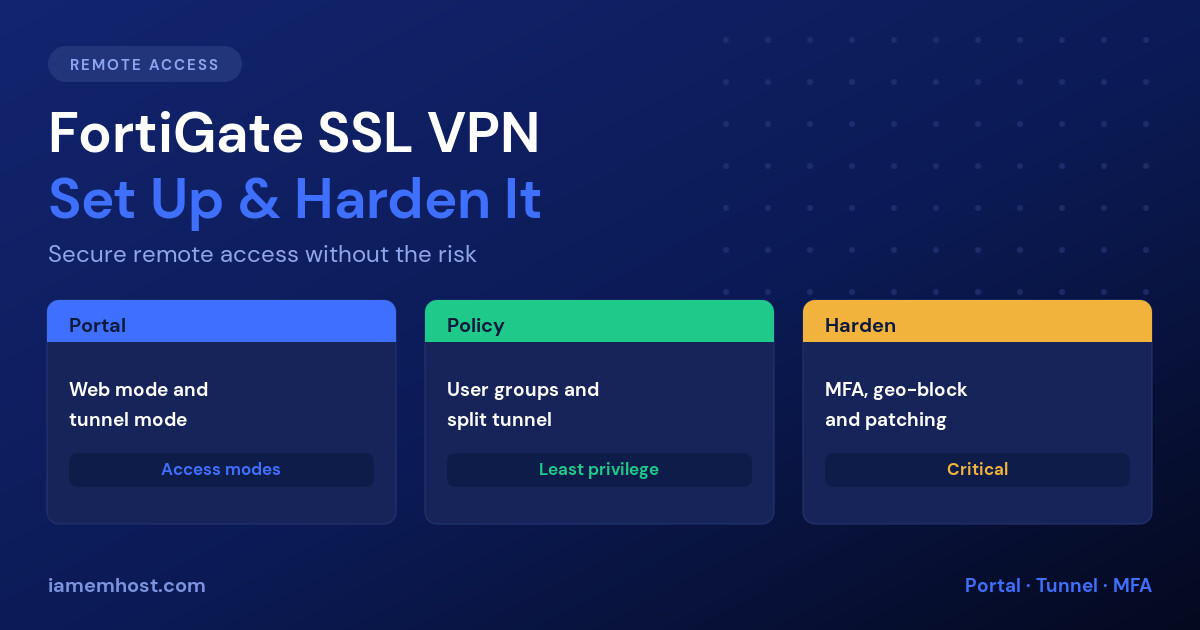
How to Configure FortiGate SSL VPN for Remote Access (and Harden It)
FortiGate SSL VPN gives remote staff access to internal systems through the firewall using nothing more than a browser ...
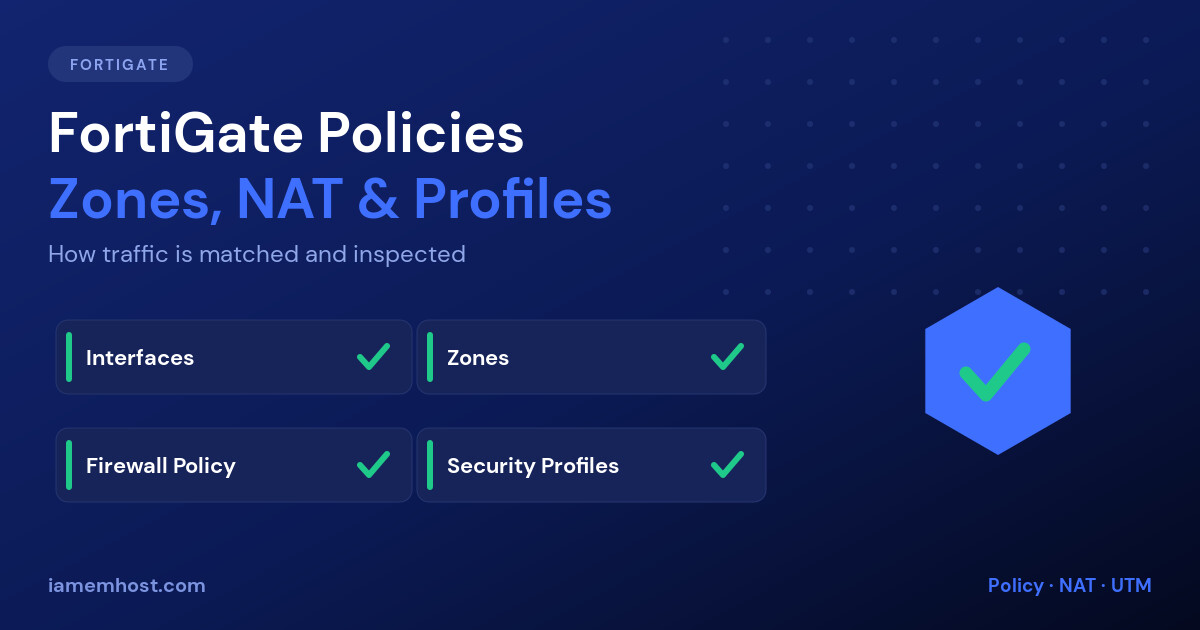
FortiGate Firewall Policies Explained: Interfaces, Zones, NAT and Security Profiles
A FortiGate firewall does nothing until you write a policy. Every packet crossing it is matched against an ordered ...
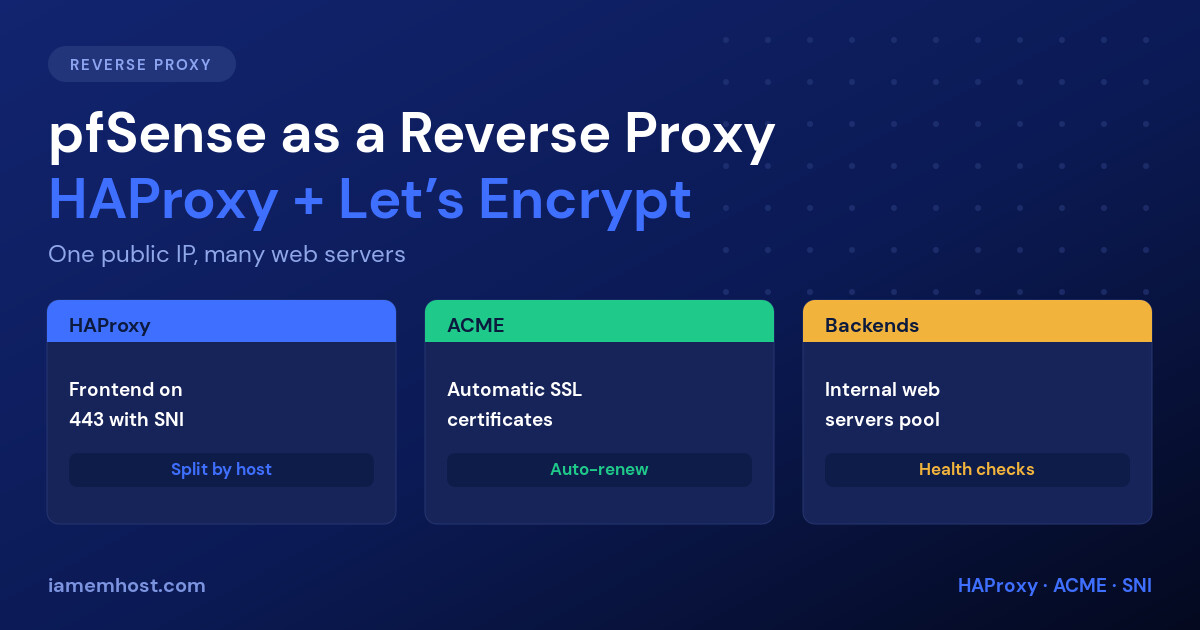
pfSense as a Reverse Proxy: HAProxy and Let’s Encrypt ACME Setup
You have one public IP address and five internal web servers. You need each to answer on its own ...
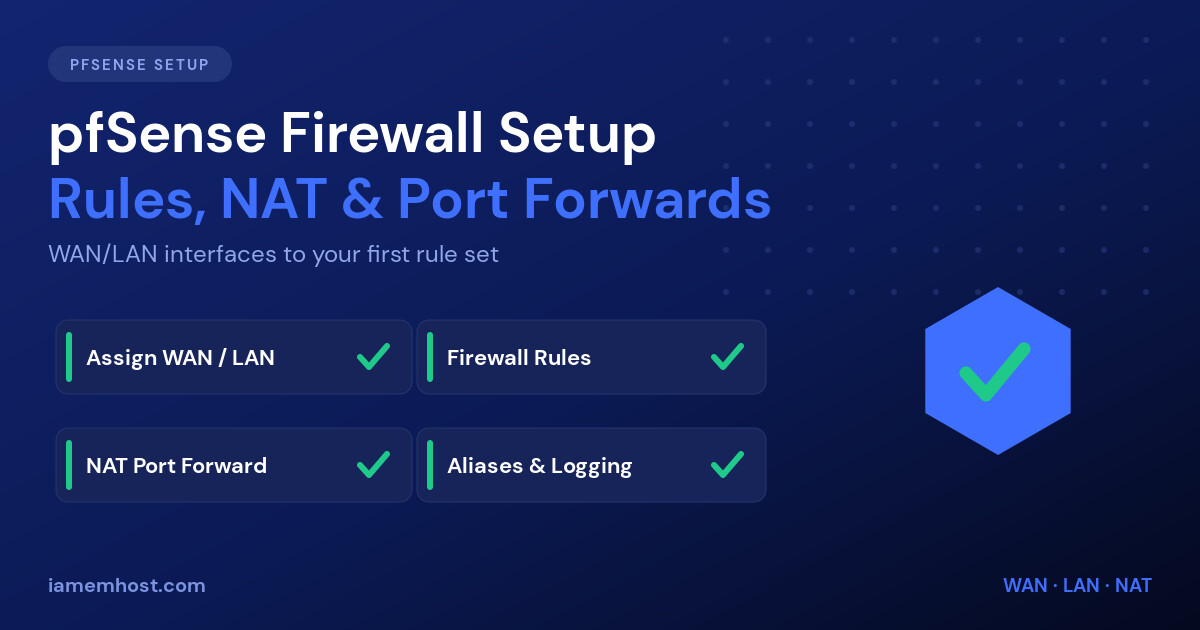
pfSense Firewall Setup Guide: Interfaces, Rules and NAT Port Forwarding
pfSense turns an ordinary x86 box into an enterprise-grade firewall and router, free and open source. It gives you ...
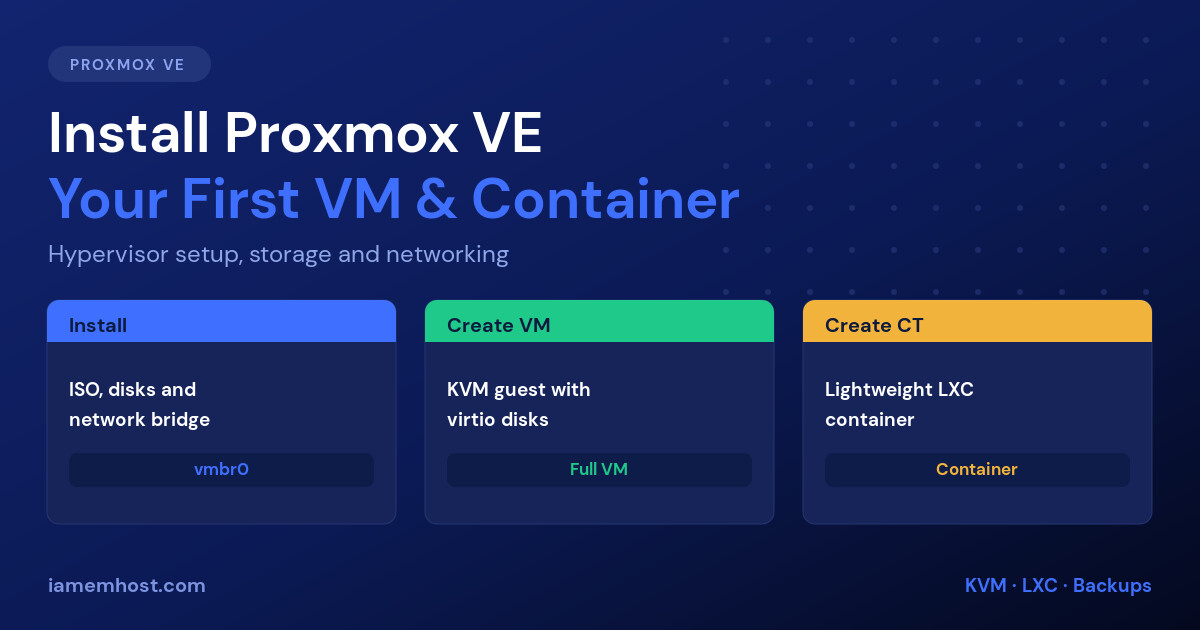
How to Install Proxmox VE and Create Your First VM and LXC Container
Proxmox VE is an open-source virtualization platform that runs both full KVM virtual machines and lightweight LXC containers from ...
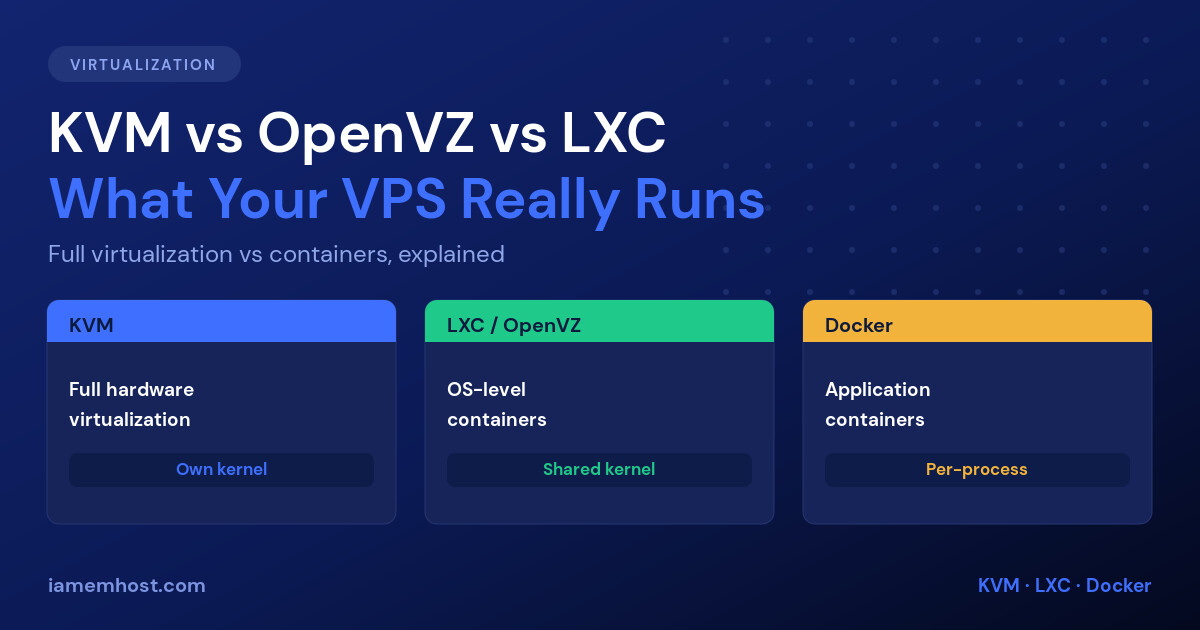
KVM vs OpenVZ vs LXC vs Docker: What Virtualization Your VPS Really Runs
Two VPS plans can advertise the same “4 vCPU, 8 GB RAM, 100 GB NVMe” and behave completely differently ...
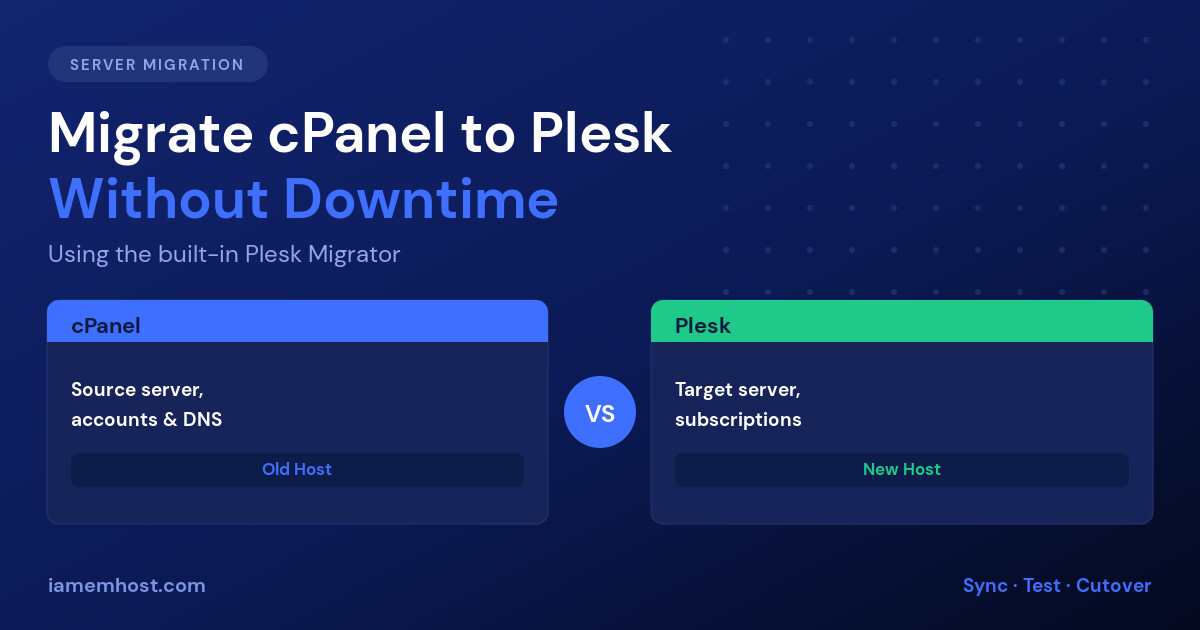
How to Migrate from cPanel to Plesk with Plesk Migrator (Zero Downtime)
Moving a server full of accounts from cPanel to Plesk sounds like a weekend of misery, but Plesk ships ...
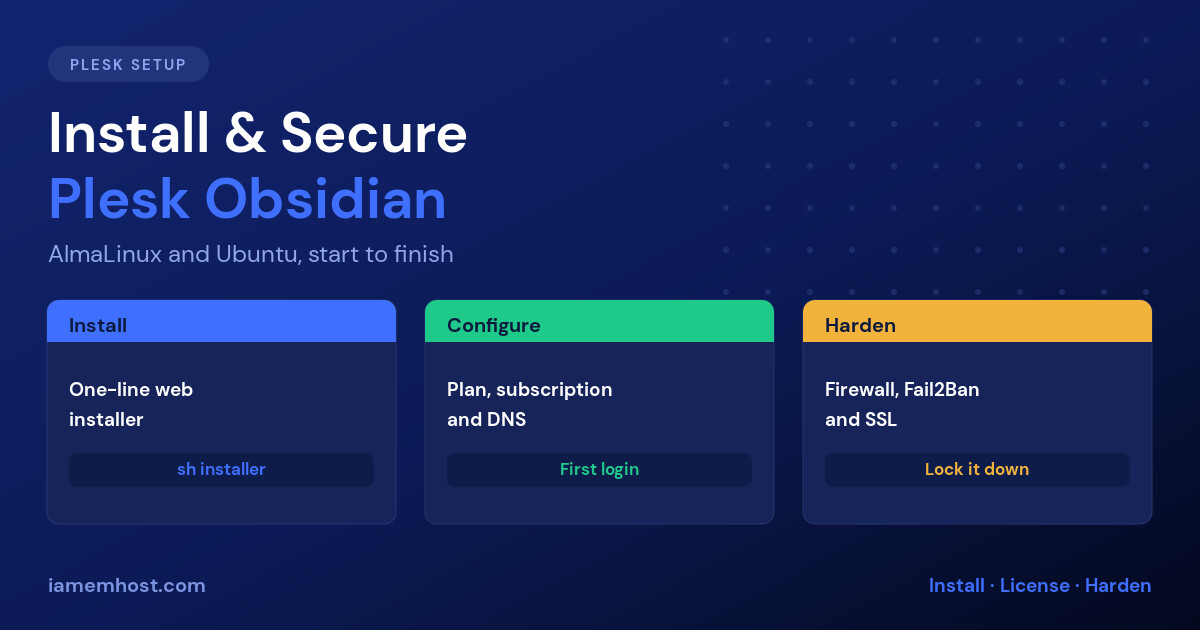
How to Install and Secure Plesk Obsidian on AlmaLinux and Ubuntu
Plesk Obsidian is the most practical control panel choice when you need one interface across Linux and Windows, a ...
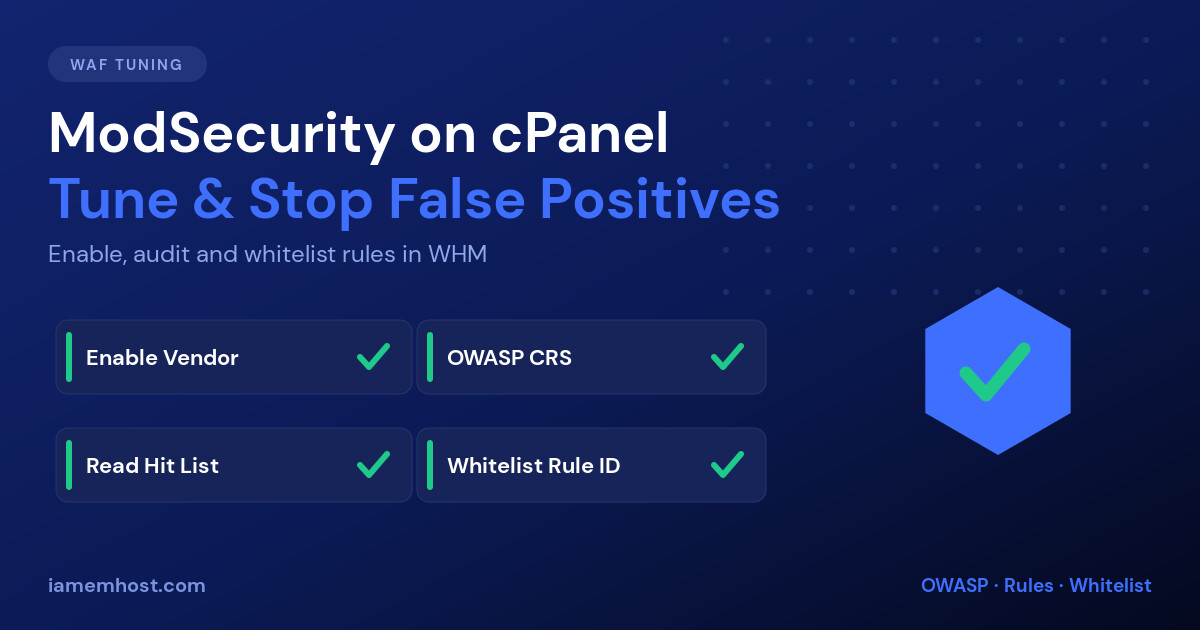
ModSecurity on cPanel/WHM: Enable, Tune and Whitelist False Positives
ModSecurity is the web application firewall built into cPanel/WHM, and it stops a huge amount of attack traffic before ...