

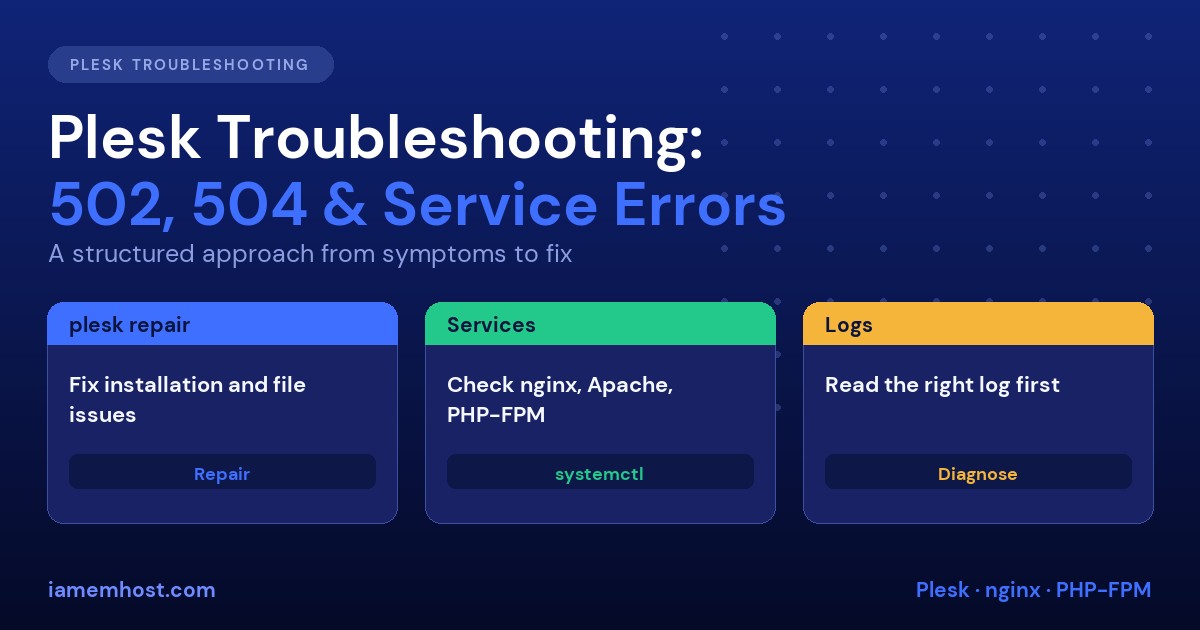
Plesk Troubleshooting: Fix 502, 504 and Services Not Starting
Plesk is stable when it works, but when a site shows 502 Bad Gateway, a panel login hangs, or ...

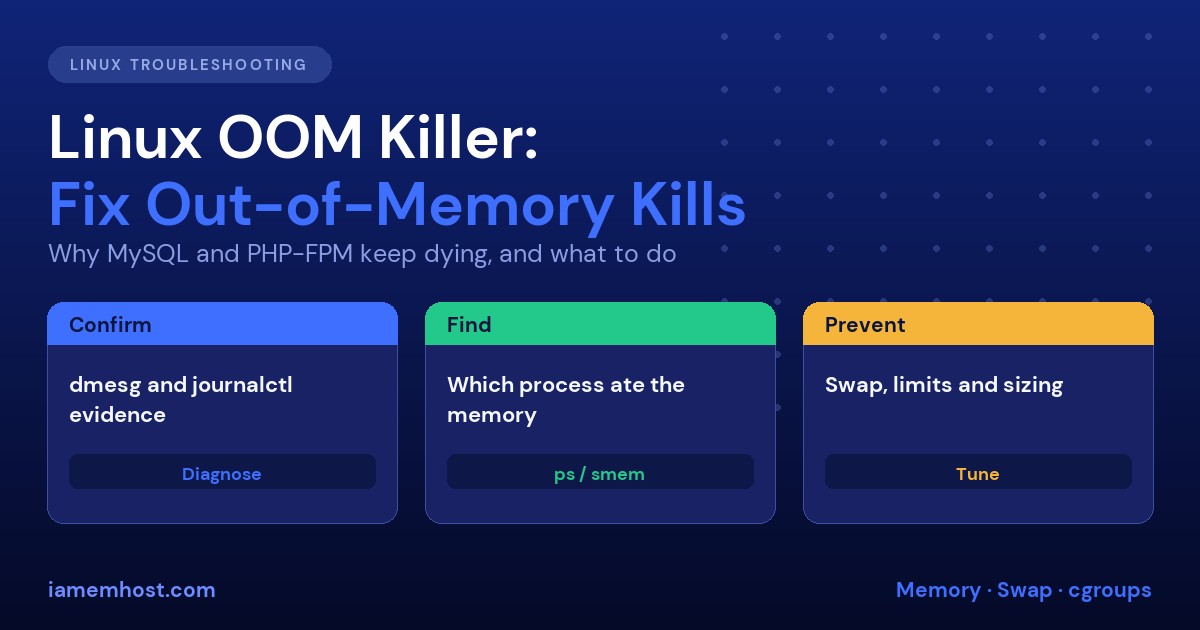
Linux OOM Killer: Troubleshoot Out-of-Memory Kills and Swap
You wake up to find MySQL has stopped, a site is down, and there is nothing useful in the ...
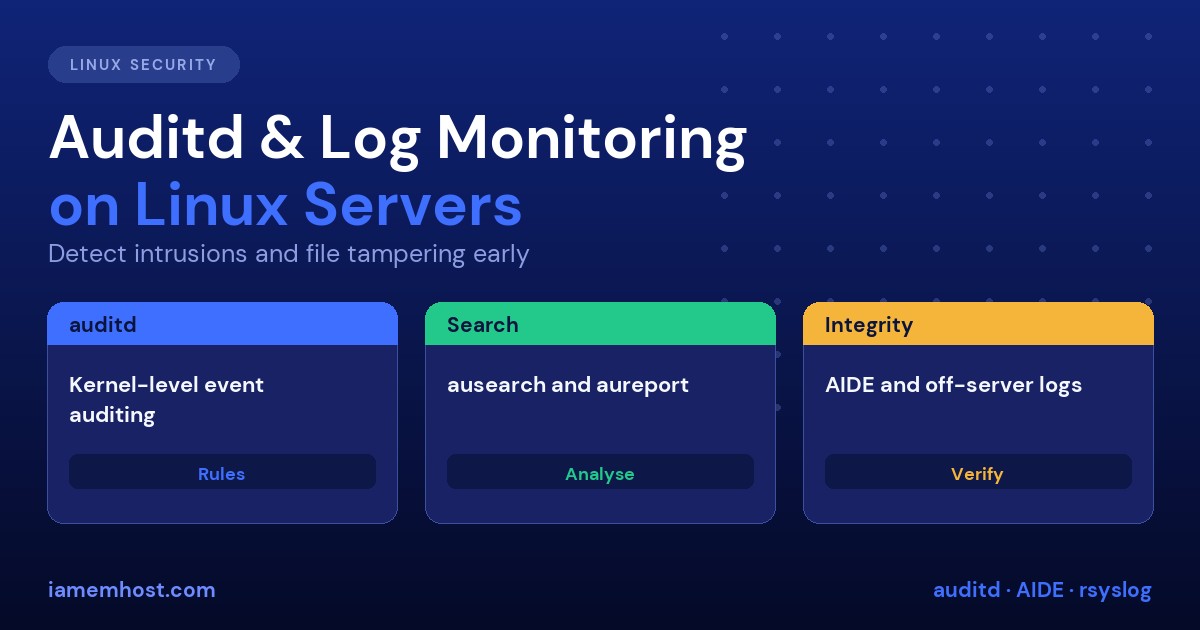
Auditd on Linux: Detect Intrusions and File Tampering
When a server is compromised, the story is almost always written in its logs: a login from a strange ...
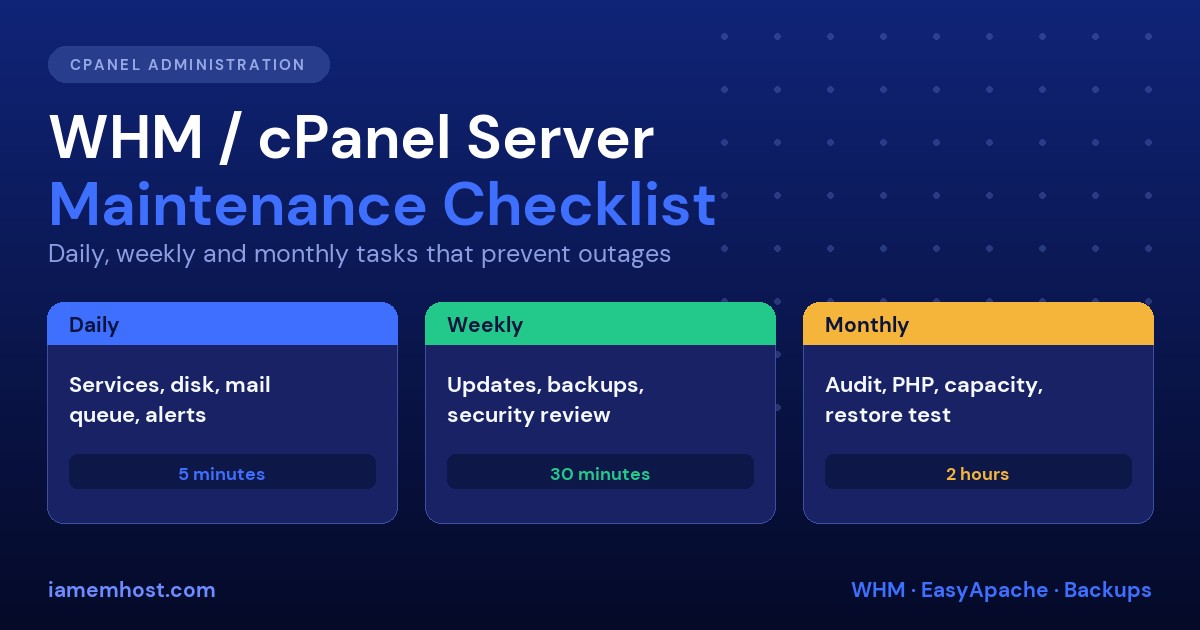
cPanel Server Maintenance Checklist: Daily, Weekly, Monthly
Most cPanel outages are not mysterious. They come from a full disk nobody noticed, a failed backup nobody checked, ...
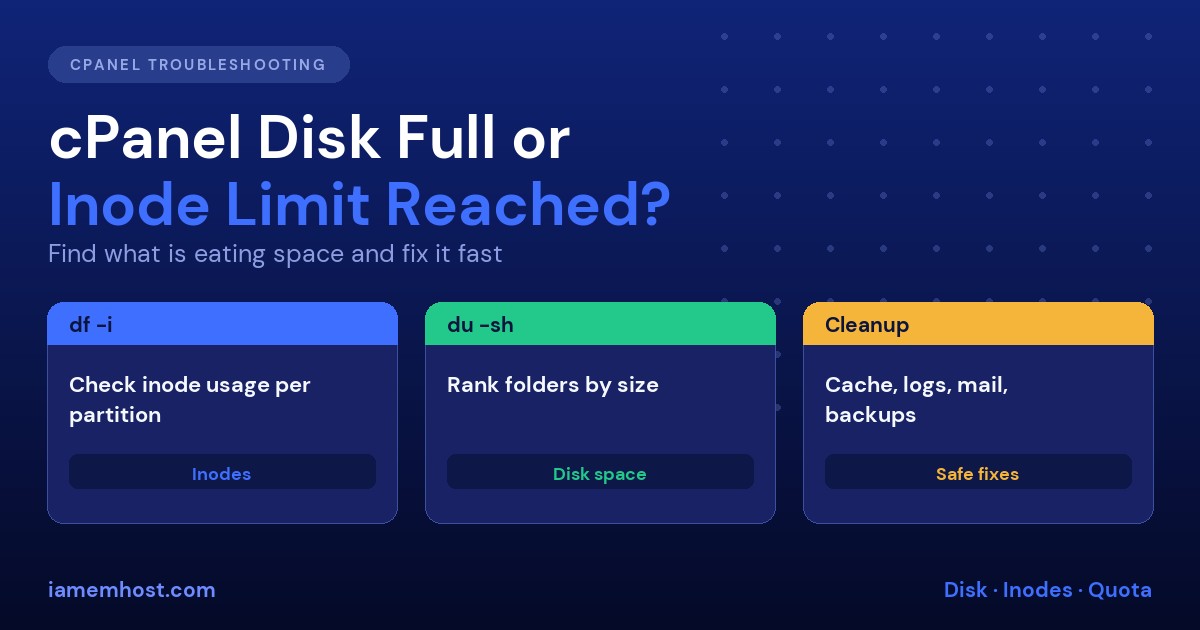
cPanel Inode Limit Reached or Disk Full? How to Fix It
When a cPanel account stops accepting uploads, WordPress shows "Disk quota exceeded", or email bounces with "mailbox full", the ...
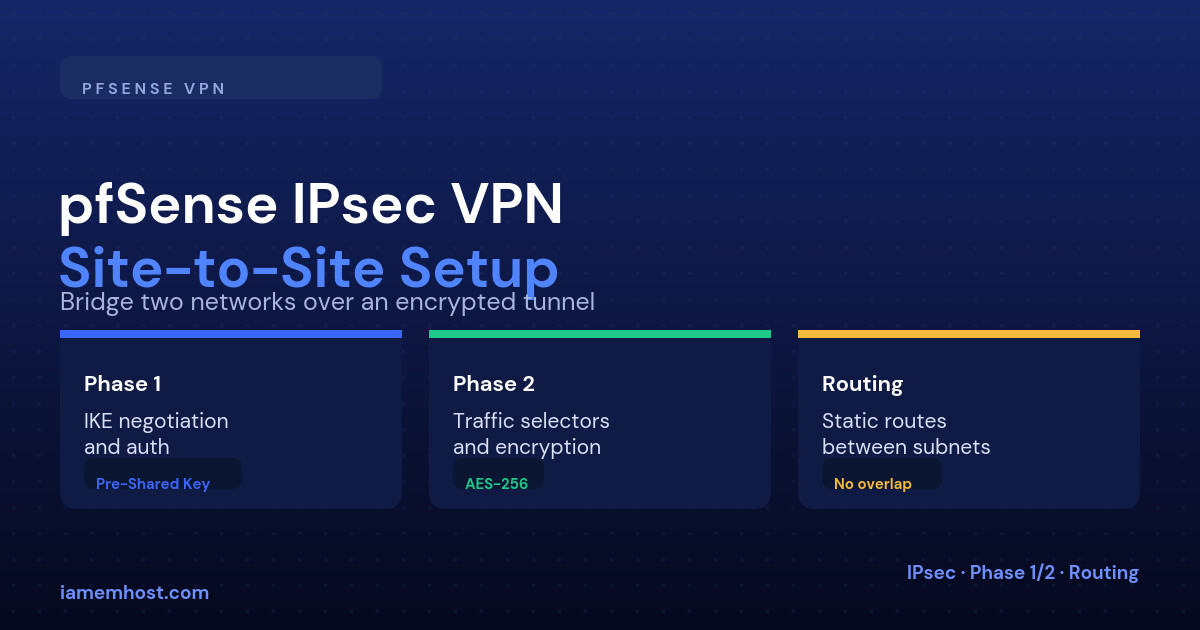
pfSense Site-to-Site IPsec VPN: Connecting Two Networks Securely
A site-to-site IPsec VPN lets two separate networks — a branch office and headquarters, or two data centers — ...
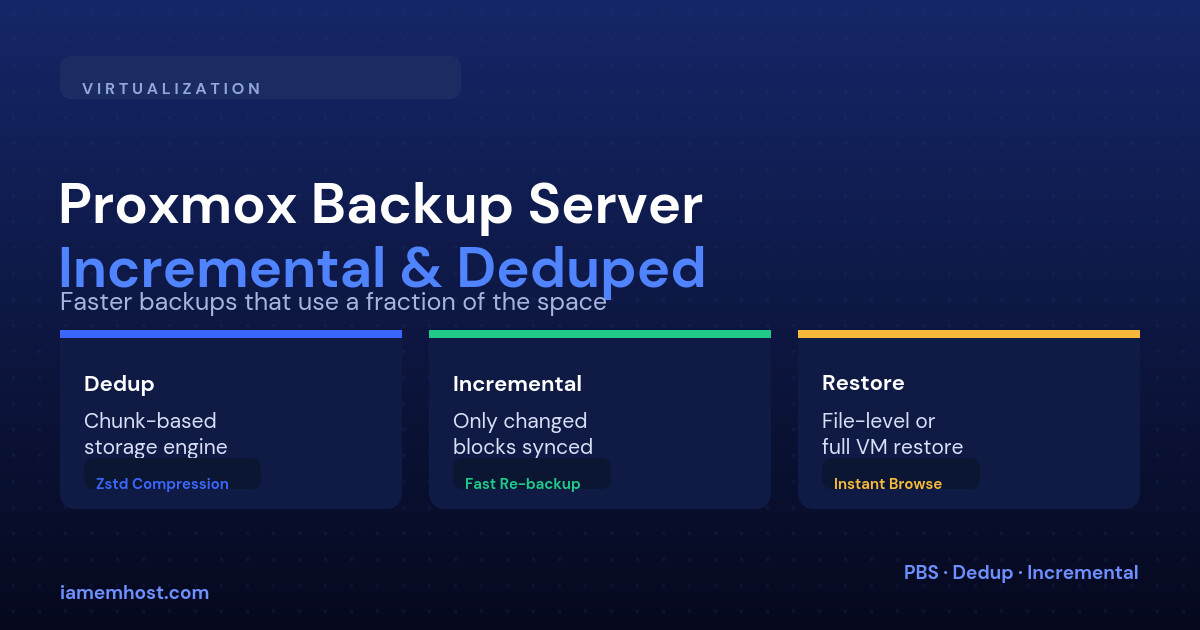
Proxmox Backup Server: Deduplicated, Incremental VM Backups Explained
The default vzdump backup built into Proxmox VE works, but it re-copies the full VM disk every single run ...
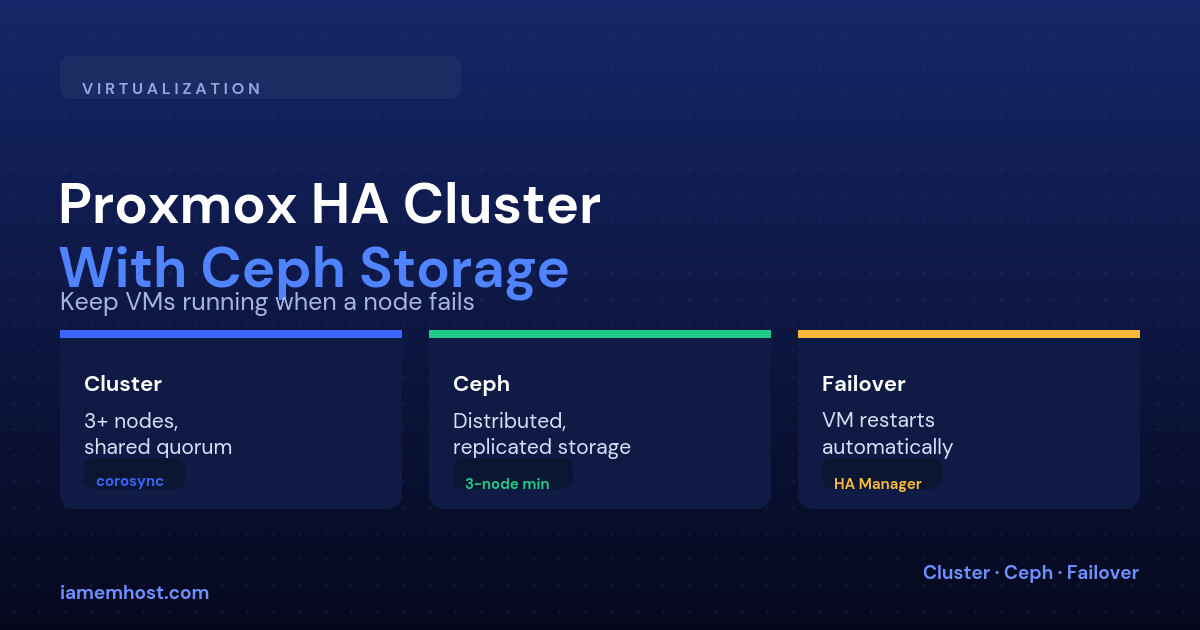
Setting Up a Proxmox VE High-Availability Cluster with Ceph Storage
A single Proxmox node is a single point of failure: if the hardware dies, every VM on it goes ...
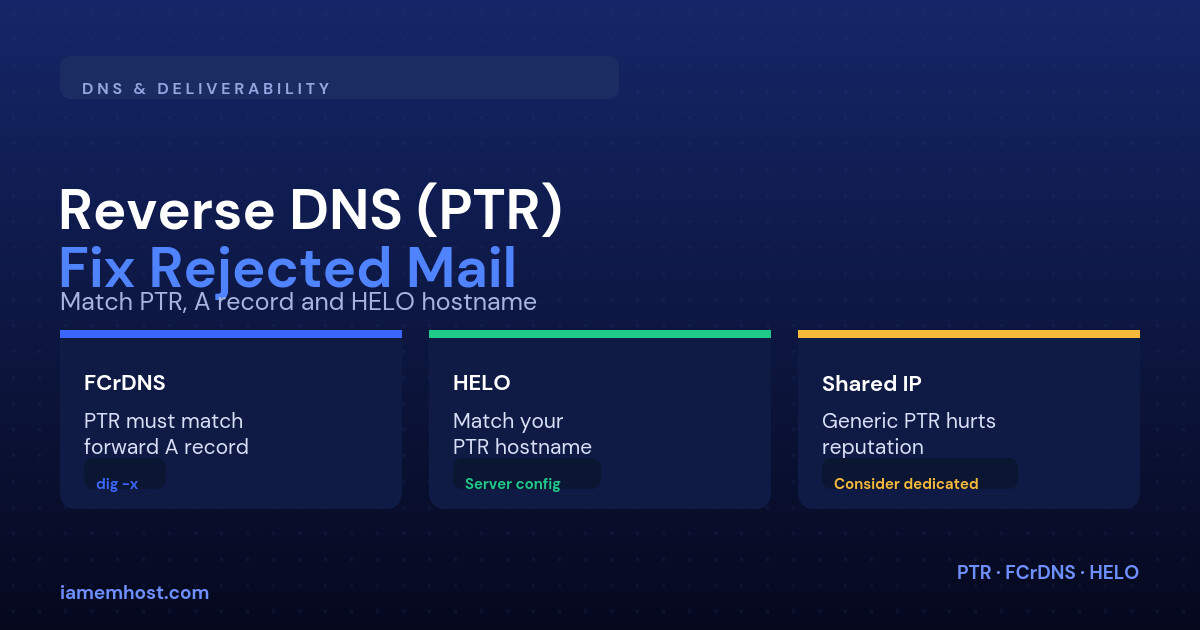
Reverse DNS (PTR) Records and Email Deliverability: Setup and Troubleshooting
SPF, DKIM and DMARC all live in your domain's forward DNS zone, which you control directly. PTR records don't ...
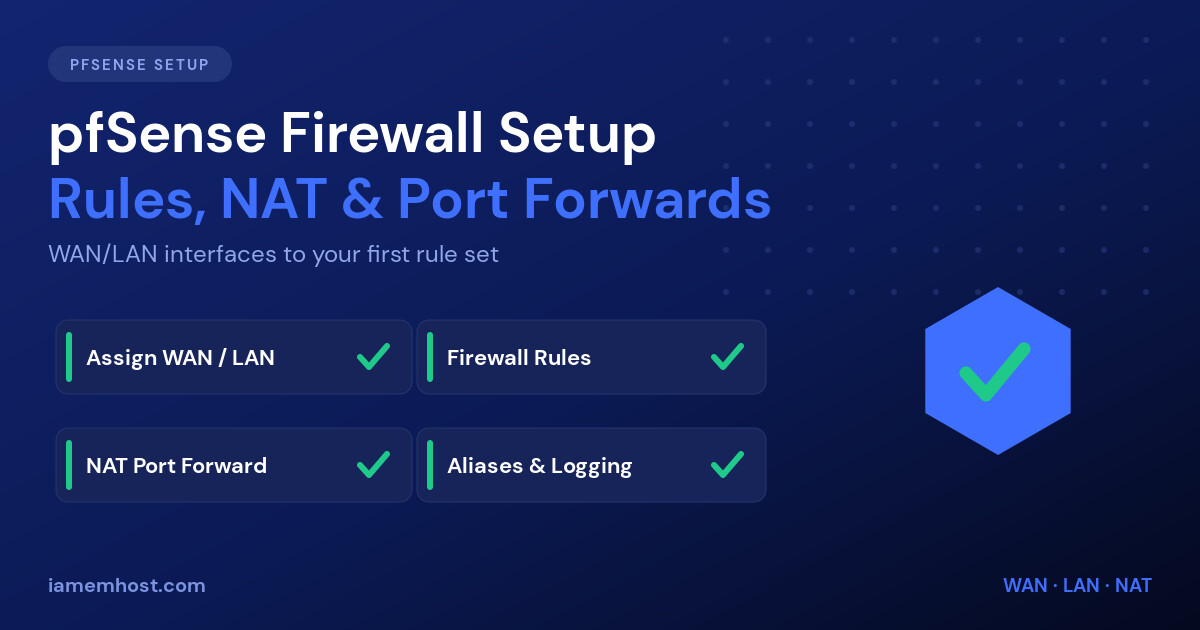
pfSense Firewall Setup Guide: Interfaces, Rules and NAT Port Forwarding
pfSense turns an ordinary x86 box into an enterprise-grade firewall and router, free and open source. It gives you ...